Chapter 03 · 2002—Today

The screen went everywhere.

The network and the touchscreen took games out of the living room. A console became a service, a world became a place, and a phone became a controller.

Years
2002—Today
Exhibits
04
Focus
Network → touch → everywhere
Exhibit 012002
A black original Xbox console with a green logo and a black controller connected in front.
Photo: The Centre for Computing History, Xbox, item CH4406. Object record.

2002

Xbox Live

Microsoft launched Xbox Live in 2002. A friends list, voice chat, and one identity across games made the network part of the console, not an add-on.

Why it mattered

It made online play a default console feature and turned a solo machine into a social service.

Exhibit 022004
The box art for World of Warcraft, showing an orc and a horned figure.
Photo: The Centre for Computing History, World of Warcraft, object 60278. Object record.

2004

World of Warcraft

World of Warcraft was a persistent world: players logged in to the same place, formed guilds, and built routines around a game that did not stop.

Why it mattered

It made a game into a place people returned to, not just a session they finished.

Exhibit 032007
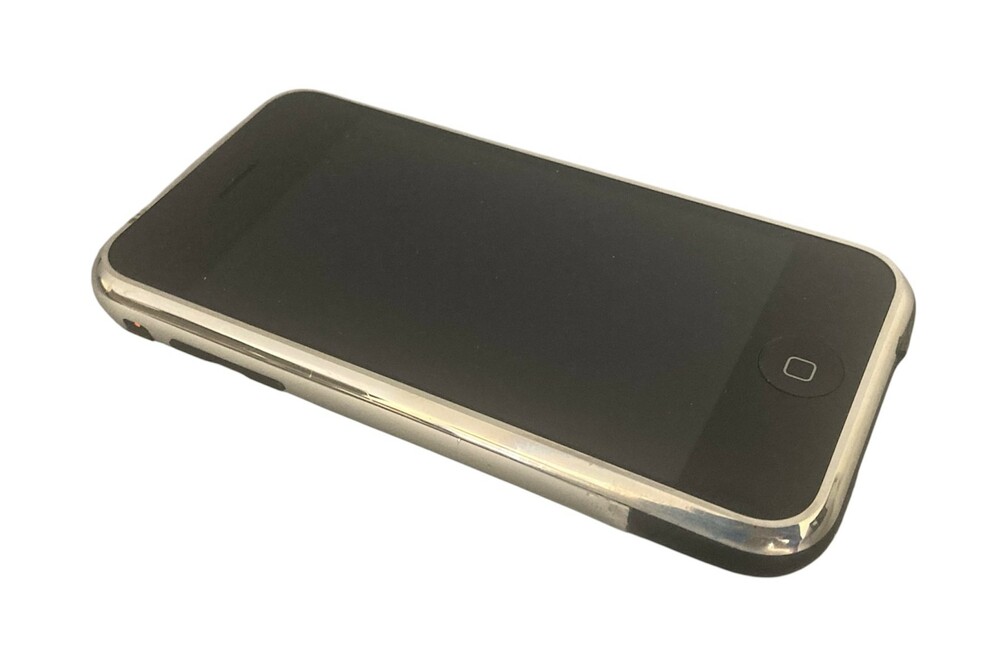
A black original iPhone with a silver edge, lying at an angle on a white background.
Photo: The Centre for Computing History, Apple iPhone, object 50185. Object record.

2007

iPhone

The iPhone removed the physical keypad and made the screen itself the controller. Multi-touch, tilt, and the App Store changed who could make and buy games.

Why it mattered

It put a game platform in millions of pockets and made touch a first-class input.

Exhibit 042017
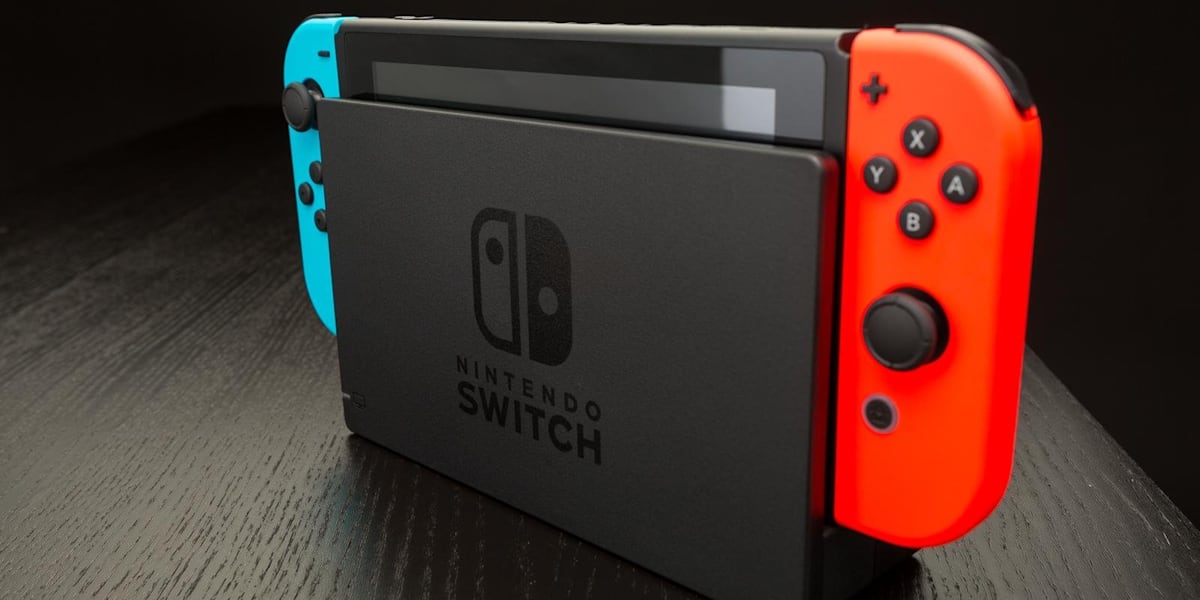
A Nintendo Switch in portable mode with red and blue controllers, seen from a low angle.
Photo: Red Bull, consoles of 2017 gallery. Source.

2017

Nintendo Switch

The Switch could be a handheld or a TV console. The screen and the controller travelled together, and play could move between the train and the living room.

Why it mattered

It separated play from one room and made the context part of the design.

References

Sources and credits

Historical details were checked against the sources below. Photographs are used for coursework with teacher permission; full credits are repeated under each image and in CREDITS.md.